Choosing the right siding for your home is about more than just appearance. In Idaho, where homes experience hot summers, freezing winters, snow, and significant temperature changes, the type of siding you choose can make a big difference in long-term durability, maintenance, and overall value.
Two popular options for homeowners in the Treasure Valley are fiber cement siding and wood composite siding. Both offer attractive finishes and advantages over traditional wood siding, but there are important differences worth understanding before making your investment.
At Siding Pros of Idaho, we believe homeowners should have the information they need to choose the right siding for their homes. Let’s take a closer look at how these materials compare.
What’s the Difference Between Fiber Cement and Wood Composite Siding?
Although both products can replicate the appearance of natural wood, they’re manufactured using very different materials.
What Is James Hardie Fiber Cement Siding?
Fiber cement siding is manufactured using a combination of cement, sand, water, and cellulose fibers. The result is a durable exterior siding product designed to resist moisture damage, pests, and harsh weather conditions. James Hardie is the leading manufacturer of fiber cement siding products. James Hardie also offers siding products specifically engineered for different climate regions, including areas that experience freezing temperatures, snow, and ice.
What Is Engineered Wood Composite Siding?
Wood composite siding, often called engineered wood siding, is manufactured using wood fibers or strands combined with resins, binders, and protective treatments.
Products such as LP SmartSide, or TruWood are designed to provide the appearance of traditional wood while offering improved durability and reduced maintenance compared to untreated wood siding.
Both materials can provide an attractive exterior, but their composition affects how they perform over time.
Durability in Idaho’s Changing Weather
Idaho’s climate presents some unique challenges for exterior siding.
During the summer, temperatures in the Treasure Valley can climb above 100 degrees. In the winter, freezing temperatures, snow, and moisture create very different conditions.
James Hardie siding is engineered to resist damage caused by moisture, temperature fluctuations, and seasonal weather changes. Its fiber cement composition provides dimensional stability, helping minimize swelling and movement associated with changes in moisture.
Wood composite siding is also designed for exterior durability. Modern engineered wood products use protective treatments to resist moisture and deterioration. However, because these products contain wood fibers, proper installation, sealing of exposed edges, and moisture management are especially important.
Both products can perform well when installed correctly, but James Hardie’s fiber cement composition offers an advantage for homeowners particularly concerned about moisture-related deterioration.
Moisture Resistance and Long-Term Protection
Moisture is one of the biggest threats to a home’s exterior. Water can find its way behind siding through damaged caulking, improperly installed flashing, or areas where siding has been compromised. Fiber cement siding is designed to resist moisture-related problems such as swelling, rotting, and warping.
Wood composite siding incorporates treatments that help protect against moisture damage. However, it can be susceptible to moisture, particularly around cut edges, joints, and ground clearances. Our most common repair requests are related to water damage and rotting of wood composite siding.
Regardless of the siding material, proper flashing, house wrap, and installation practices play a critical role in keeping water out of your home’s wall system.
Quality siding is important, but even the very best siding wont protect your home is the siding is not installed according to the manufacturers best practices. Professional installation is just as important when it comes to protecting your home from moisture.
Fire Resistance: An Important Consideration in Idaho
Fire resistance is another factor worth considering, especially for homeowners in areas near open fields, foothills, and wildfire-prone landscapes. One of the biggest advantages of James Hardie fiber cement siding is that fiber cement siding material is considered noncombustible. It will not ignite when exposed to a direct flame under applicable testing standards and does not contribute fuel to a fire.
Wood composite siding, because it contains wood-based materials, is generally combustible, although fire performance varies by product and assembly.
While no siding material can make a home completely fireproof, choosing noncombustible exterior materials can be an important part of improving a home’s resistance to external fire.
For homeowners in Idaho’s foothills, and the surrounding mountain and rural communities, this can be a significant consideration.
Maintenance and Long-Term Appearance
Nobody wants to spend their weekends constantly repairing or maintaining their home’s exterior. Both fiber cement and wood composite siding are designed to require less maintenance than traditional wood siding, however if maintained properly, James Hardie fiber cement siding does a better job of resisting environmental conditions, and will hold paint longer. The means you can go many years longer between repairs and paint cycles with a fiber cement siding exterior.
For homeowners focused on long-term durability and minimizing moisture-related maintenance concerns, James Hardie fiber cement is an excellent option.
Appearance and Design Options
Both materials offer a wide range of attractive exterior designs.
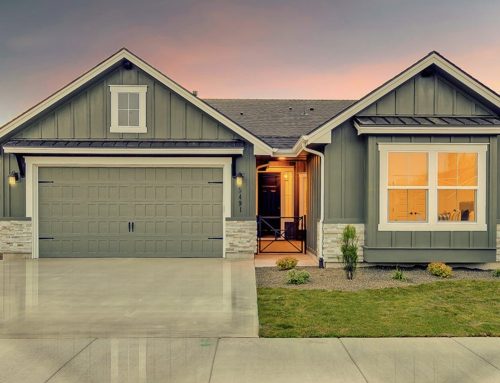
Whether you’re updating a traditional home in Boise, remodeling a modern farmhouse in Star, or building a custom home in Eagle, both products can complement a variety of architectural styles.
James Hardie siding is available in several profiles, including:
– Traditional horizontal lap siding
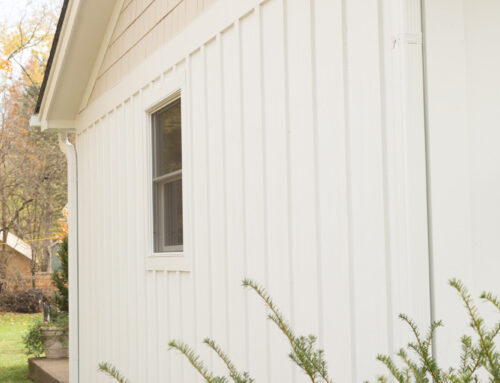
– Board and batten designs
– Shingle-style siding
– Modern architectural panels
– Smooth and wood-grain textures
Engineered wood composite siding also offers a variety of profiles and finishes, often featuring pronounced wood-grain textures.
Ultimately, appearance comes down to personal preference. Both products can create a beautiful exterior when paired with the right trim, colors, and architectural details.
Cost vs. Long-Term Value
For many homeowners, price is an important consideration when selecting siding.
Engineered wood composite siding can sometimes offer a lower installed cost than James Hardie fiber cement, depending on the specific products, installation requirements, and project design.
However, the initial price shouldn’t be the only consideration.
When comparing siding options, homeowners should also consider:
– Expected durability and maintenance requirements
– Resistance to moisture and weather damage
– Fire performance
– Manufacturer warranties
– Long-term appearance and overall value
James Hardie siding may require a slightly larger initial investment on some projects, but its durability, moisture resistance, and noncombustible composition can make it a worthwhile long-term investment.
How Do the Warranties Compare?
Both James Hardie and leading engineered wood manufacturers offer substantial product warranties.
James Hardie fiber cement siding comes with a 30-year non-prorated limited product warranty.
LP SmartSide engineered wood siding offers a 50-year limited warranty, but with one big difference. While LP SmartSide boasts a longer timeline on paper, the James Hardie Siding Warranty offers a major advantage: it is completely non-prorated. This means its coverage value never decreases over time, whereas LP SmartSide’s value drops every year after the fifth year.
At Siding Pros of Idaho, we also stand behind our installations with a 10-year workmanship warranty, giving homeowners additional confidence in the quality of their siding project.
So, Which Siding Is Better for Idaho Homes?
Both James Hardie fiber cement and engineered wood composite siding can be good choices for Idaho homeowners. Wood composite offers attractive designs, durability, and potentially lower installation costs. However, for homeowners who prioritize long-term moisture resistance, dimensional stability, and fire performance, James Hardie fiber cement siding is our preferred choice.
Its ability to withstand challenging weather conditions makes it especially well-suited for homes throughout Boise, Meridian, Eagle, Star, Nampa, and the surrounding Treasure Valley.
Trust Siding Pros of Idaho for Your Next Siding Project
At Siding Pros of Idaho, we specialize in helping homeowners protect and improve their homes with quality siding products and professional installation.
As a James Hardie Elite Preferred Contractor, we’re proud to offer the experience, craftsmanship, and attention to detail that homeowners deserve.
Whether you’re considering a complete siding replacement, updating your home’s exterior, or simply exploring your options, our team can help you determine the best solution for your home and budget.
Are You Ready To Upgrade Your Home’s Siding?
Contact Siding Pros of Idaho today to schedule a consultation and learn more about James Hardie fiber cement siding for your Idaho home.
Call 208-672-1697
or